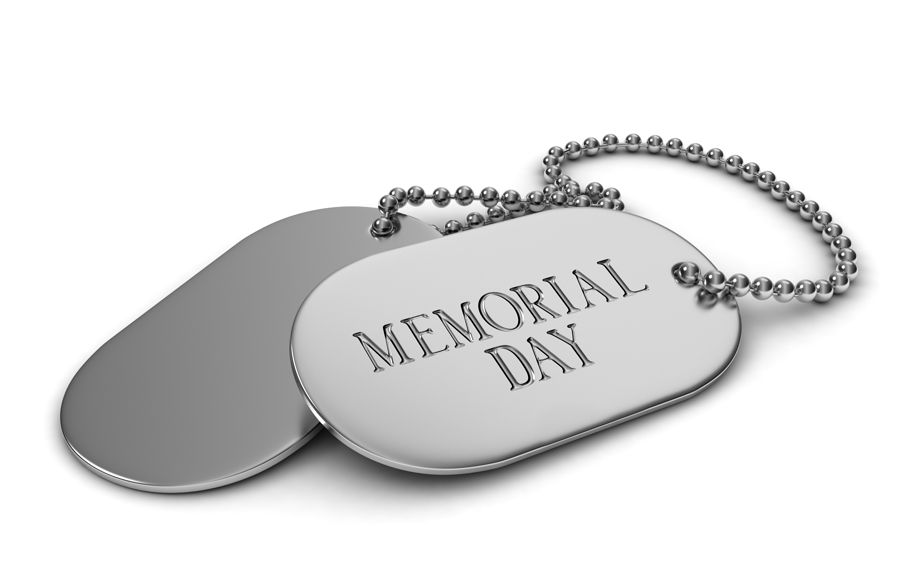
I’m feeling more patriotic then usual this Memorial Day. Perhaps it’s because I made my first trip ever to Washington, D.C. last June and researching pictures for this blog post gave me an opportunity to relive that amazing experience. It’s one thing to study about our country from books and broadcasts. It’s quite another to walk the streets at the heart of our nation’s capital where they breathe the rich history. I especially loved the war memorials and tears still form months later as I look at pictures depicting Arlington Cemetery, the taking of Iwo Jima, the Korean war memorial, the World Wars memorial and the Vietnam Memorial. Walking among them drove home how our country was built, not simply on the democracy of what our nation stands for, but the blood and sacrifice it took to make, and guarantee it.
If you are, relatively speaking, a normal human being then you despise war. Many resent that it has happened, does happen or, god forbid, will continue to happen in the future. I stand among you. Yet, I embrace how it changes us. The inner strength that tragedy brings in its aftermath, enlightenment to what matters in this world, neighbors bound in worthwhile and common goals, profound respect of the tremendous cost to others, rekindled appreciation of what the sacrifice has bestowed upon us, and hopefully, wisdom. This Memorial Day, may the vicious circle be broken as the age of technology rises ever higher and we, the world, learn the true power of communication.
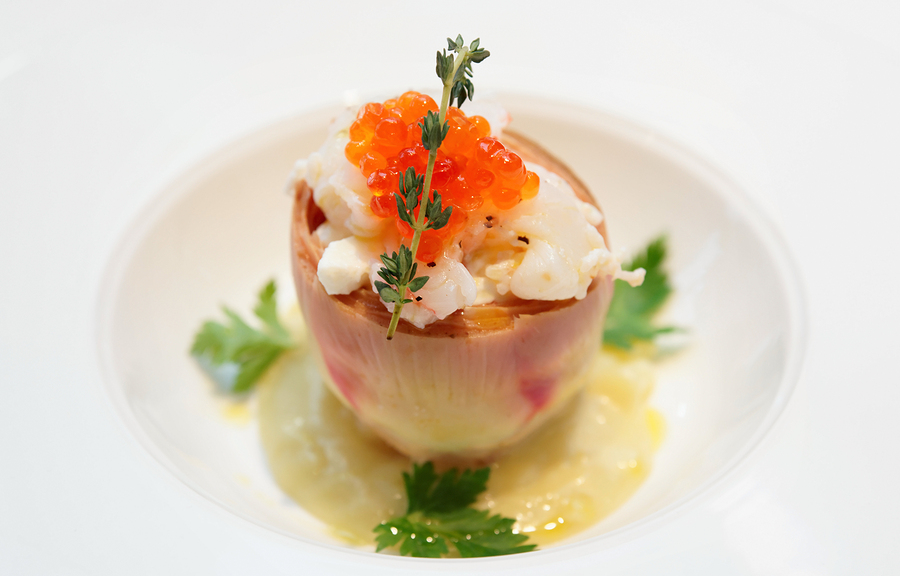
If you’ve reached a comfort zone with cooking and are confident your dishes taste good, you’re probably at the stage where you want them to look good. If so, you’re ready for the garnish. For most of us it’s a simple sprig of herb placed on top. If you are especially handy with a paring knife, the fancy carved vegetable varieties can showcase your artistic side (face it, you’re an over-achiever with way too much time on your hands and I am envious but applaud you).
These fancy touches sometimes confuse the guests, however, and as lovely as they look you may have them pondering: Do I eat it? Do I leave it on the plate and hide the evidence that I licked the plate clean? What idiot thought a protruding object belonged in a glass that comes disturbingly close to my eye?
Garnish is supposed to hint at an ingredient found in the dish, like slices of candied lemon curled on top of a lemon bundt cake or sprigs of sage emerging from the Thanksgiving turkey’s various orifices. If so, do cherries hidden under colorful paper umbrellas really scream impending brain cell death, amnesia and vague memories of stumbling in a rumba chorus line?
In the culinary world, garnish not only hints at what’s inside, it’s to make the dish more appealing to the eye.
Even if the dish turns out less-than-satisfying, your guest might at least sample it if it looks like an expert constructed the thing. Such is the elevator pitch or log line. A snippet of intrigue that hints at whats between the book’s covers and with a few short words makes you want to taste it. Consider the teaser for my novel, FADE TO BLACK. “In the world of illusions, there are many secrets. Ian Black has more than most.” You know that Ian is an illusionist, a profession known for its secrets, but he’s hiding something deeper, perhaps darker than what’s behind his curtain. A writer friend’s publisher liked hers so much that they kept it for her breakout novel, BURN OUT. “The last girl on earth – just got company.”
Intrigued? Let’s hope so, because as a writer you are selling your work to an agent, editor, publisher, book seller and/or ultimately, the book buyer with just a few short words.
Creating the perfect log line can be painful, like repeatedly cutting your hand with a pairing knife because God didn’t design radishes for intricate detail work. He designed them to eat. It’s impossible to sum up thousands and thousands of words into a single line or two. Stop trying. Choose one or two primary ingredients that make your dish stand out as something different from the others. Decorate it with a little fluff and appeal to make others want a taste, to find out more.
It’s been said that if you can’t come up with a log line then you don’t know what your story is about. It doesn’t matter how experienced you are, its one of the most painful tasks for a writer. Honestly, I’d rather cater a dinner party for a thousand guests and do the dishes in scaling water with my bare hands.
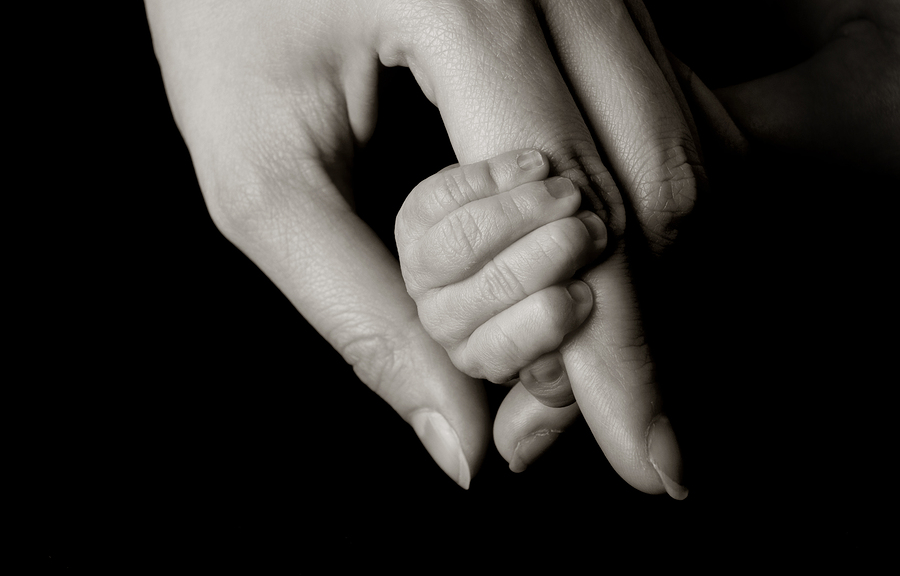
Over the years I’ve written my share of messages to my son. Notes of love and encouragement stuck in his lunch bags, sentiments that filled up his birthday and every other special occasion cards and single sheet letters (They could have been longer but heaven forbid I bore him or worse, lose his attention).
But my biggest regret is that I never kept a journal of what he has said to me.
Words and insight that measure his passage of time, growth and development. So, I’ve decided to post my favorites, ones that have stuck with me over the years. It’s his words that showcase what it means for me to be a mother.
His humming the entire melody to “This Old Man” while strapped in his car seat at the age of 9 months.
“Mommy, wrapper off,” while handing me a banana.
“Daddy, there’s bug legs all over you!” When his father returned from a fishing trip with stubble on his face.
While tugging on his sleeves, “Mommy, these broke.” The weather turned warm and I put him in a short sleeved t-shirt for the first time in months.
When I picked him up from his first day of kindergarten, he scrunched his nose at me. “Why did you give me such a long first name? It takes forever to write!”
“The Easter Bunny and the Tooth Fairy, too!” Glaring at me with his hands on his hips as his innocence evaporated before my eyes at the same moment his brain accepted there was no living, breathing Santa in his world (Thanks to Philip down the street).
“Mommy you’re the best!” Accompanied by the most heart-felt hug he’s ever given me, for receiving a Tasmanian Devil t-shirt that same Christmas (I wasn’t ready to give up believing and the tag still read, From Santa)
“You don’t give back something you adopt.” An eight year-old’s wisdom beyond his years. He refused to give up on a brand new puppy when she was found to have a heart defect and there was discussion we might return her to the breeder. Snickers is now fifteen years-old and still ticking and licking.
His deafening silence when words couldn’t ease his anguish and pain at the loss of his father.
“I love you, mom.” Not said in passing, etched into a birthday card or tossed in my direction after unwrapping a gift. The times he has said it as a young man and the words unmistakably came from his heart.
Attraction. It’s a major factor in getting what we want in life. Flowers use it on the bees, birds strut their plumage and for a variety of attention-getting ideas, turn to mammals (truthfully, I don’t get that whole baboon butt thing, but that might just be me). I’m convinced that sea life invented it with their amazing colors and design combinations which existed long before people walked the earth and we waded after them with our water-proof cameras.
Color equates to nutritious appeal and is always in the back of a chef’s mind, but it’s presentation, the moment our eyes cast upon their work of art that earns the “ahh” and is forever etched into our memories. There’s a reason foods boasting color (hopefully natural, not dyed) are healthier than the bland, lacks-nutrition white stuff. We’re wired to be attracted to them in order to survive.
While you sit debating with your stomach whether gluttony is actually a sin, anything to avoid destroying the work of art, you won’t notice or mind the miniscule portions.
Every writer should take a cue from nature and add color to your dishes. Make those baboons sit up and take notice (anything to make them plant those rears on the ground and out of my line of vision). Truss up those characters, your locations, that drama. Work on creating colorful dialogue. If you are working with a traditional publisher, pay close attention to that cover. If you’re indie publishing, pay maximum attention to that cover. Remember, bland isn’t healthy and we’re not attracted to it. Present your readers with an eye-popping, I can’t wait to devour, but want to savor it first with my eyes initial impression, or one-of-a-kind story.
They’ll be willing to pay for it, even if it means raiding the pantry before bed later. They’ll never forget how it looked the first time they saw it and that it was worth every penny.
I spent a wad of cash on a nice oven a few years ago because I got tired of having to open the door halfway through my baking and spin the pan around to ensure even cooking. My new appliance boasted convection settings and came with a fan to circulate the heat evenly.
After several years of baking in it, my oven is still hotter in the back.
It remains one of the mysteries of the universe, but I’m currently at one with my universe and have accepted that I will always have to turn the pan around.
Most writer’s plot their novels with the greatest amount of heat in the back. It’s the universe we live in! But how appealing would a meal be if you forgot to turn the pan around and the first course or two were served undercooked? No one will pick at raw meat or gooey bread dough for long even if the odors coming from the kitchen smell promising. Make sure you spin that pan a few times or that the convection fan is circulating the heat as best as it can throughout the plot. That way your story not only pulls the reader in but moves it along with tasty morsels of intrigue, mystery, suspense or hints of romance and conflict interspersed with larger bites of robust characters, dastardly villains and tantalizing locales.
Your guests will praise you for a well cooked meal and you’ll spare them from having to make up some lame excuse the next time you invite them to your table.
This site is your next stop along the Writing Process Blog Tour. I hope you’ve picked up some great pointers, feel a growing camaraderie with writers you might not have met otherwise and don’t feel quite so isolated as many of us writers tend to be while following our creative journeys. I don’t profess to have the answers to all your burning questions but for a laugh and a little nudge in many things writing, check out my blog below and my other blogs entitled A COOK’S GUIDE TO WRITING. As I often do, I find odd and unique ways to combine things that I love and, if anything, you might at least get a chuckle out of a few of them.
Thanks to Wendy Terrien for inviting me to participate in a fun tour-de-force of fellow writers! Check out her website if you came across mine from a different path to get a taste of her YA novel, THE RAMPART GUARDS that she has in the works, along with her blogs and book reviews. Wendy and I met at the Pikes Peak Writers Conference a couple years ago and it must have been kismet since she and I noticed we kept passing each other between presentations and eventually were introduced by a fellow writer. She’s a kick to hang out with and I’m convinced that she was a stand-up comedian in a previous life. She also has a refreshing way of putting her own spin on things that either raises an eyebrow, the corners of your mouth, or both!
Onto the questions and the reason you’ve stopped by …
#1 What am I working on?
Everything. No, really, I write a little bit of everything. I love flash fiction, have done a short story series based on an intersection in downtown Denver called THE CORNER and I have written three of a planned five novel Urban Fantasy series, THE WEIR CHRONICLES. Its what staved off the boredom while recovering from knee surgery (or to avoid killing my teenage son, but let’s stick with that surgery thing). I still have my sanity (he’s still breathing), so my instincts served me well. The first novel in the WEIR series, FADE TO BLACK, has survived the Purple Pen of Death with an awesome freelance editor by the name of Steve Parolini at Novel Doctor and it is currently in the hands of fellow writer friends and beta readers. If everything sticks to plan, it will be self-published in early-to-mid fall, 2014. Drafts of novels two and three are completed and I hope to make the books available within a few short months of each other.
#2 How does my work differ from others of its genre?
I think of myself as a hybrid speculative fiction writer. I have been a fan of Fantasy and Science Fiction all my life and my Urban Fantasy series successfully marries the two worlds in the best of ways. To quote one of my characters, “What is science if not the ability to see magical things in a different way?” In my series the protagonist gets his magical powers from my knowledge of earth and space physics. His race is dying out, and along with it their magic. In this day and age, it felt natural that even magical beings might turn to modern science to combat the d-evolution of their species. It’s a reoccurring theme carried out across the entire five book series. My protagonist not only fends off the bad guys and their magic, but he gets slammed with science gumming up his special abilities as well. In the end, I like to think that I respect the intelligence of all fans of speculative fiction while giving them one fun ride.
#3 Why do I write what I do?
Seems as though I’ve already answered that in #2! To sum it up, I simply write what intrigues me and what I like to read. I also write how I like to read. Chapters that end with a punch, suspense or a cliff hanger. If I wouldn’t turn the page, dying to start the next chapter late at night, why would my readers? I use short chapters to tell my stories. Quick reads that tease and wet your appetite but leave you wanting for more. I’ve been told I create characters you’d like to curl up on a couch next to and spend some time getting to know better, flawed and scarred as they are. My dog ignores me as I sit at my computer and actually cry, laugh out loud, chuckle and go through a dozen other emotions while writing dialogue and scenes. Not everyone may go through the same emotions when they read it, but I figure the odds are in my favor that if I’ve done my job, more than a few will get there.
#4 How does my writing process work?
I have tried planning and plotting in advance or first writing the action scenes then gluing it together. I’ve attempted to use sticky notes, notebooks with diagrams and graphic organizers with highlighters – such lovely shades of highlighters! That works for a slew of other writers. They’ve said so. I’ve sat in their audiences and heard them share their process. But I’ve discovered that’s not me. When I wrote my first novel, I sat down and started at the beginning and didn’t finish until 59 days later with “The End.” I had what equated to over 600 pages of a novel. I wrote the second novel while editing the first one. That ended three months later with not quite the girth of the first novel, but close to it. I took a creative writing course at that point since writing appeared to be cheaper than therapy and an inexpensive pasttime (it also kept me from grabbing sharp objects when the little bugger was in my sights). The class was a huge boost in my confidence. Up until then, I thought I only had this single story, a very lengthy story, and that’s all I could write. The class forced me out of my comfort zone and proved that I could stretch myself and the craft. Of course because of my process, most of my time is spent in editing – lots and lots of editing.
Well, I’m out of space and words, or at least I should be. Be sure to check out these upcoming, awesome writers in the next leg of this blog tour and happy writing!
Coming May 5th to the Writing Process Blog Tour:
Kristi Helvig is a Ph.D. Clinical Psychologist turned sci-fi/fantasy writer. You can find her musing about space monkeys, Star Trek, and other random topics on her blog. Kristi resides in sunny Colorado with her hubby, kids, and behaviorally-challenged dogs. Her debut YA SciFi novel, BURN OUT hit bookstores April 8th. Learn more about her and her novel @ www.kristihelvig.com/blog
Corinne OFlynn writes all kinds of things from flash fiction to essays to novels. She loves writing Young Adult, especially when it has dark edges and fantasy elements. She wrote her first novel, a YA fantasy, THE EXPATRIATES, as a “pantser” and soon realized (over the course of many, many, *many* drafts) that outlining was invented with people like her in mind. Now an avowed “plotter” she’s excited about completing her second novel, a YA contemporary witch murder mystery, COVENTRY TOWN, in what felt like a fraction of the time. By day, she runs a non-profit organization in Colorado and spends as much time as she can with books. You can reach her @ www.corinneoflynn.com
Shawn McGuire started writing after seeing the first Star Wars movie (that’s episode IV) as a kid: she couldn’t wait for the next one so wrote her own episodes. Sadly, those notebooks are long lost. Many years later, she is about to release her debut YA novel, STICKS AND STONES, the first in a planned five book series.
She grew up in the beautiful Mississippi River town of Winona, Minnesota and after graduating college moved to the Milwaukee area of Wisconsin where she lived for many years. She and her family now call Colorado home and when not writing or reading, Shawn enjoys cooking and baking, crafts, interior decorating, and spending time hiking and camping in the spectacular Rocky Mountains. Check out Shawn @ www.Shawn-McGuire.com